
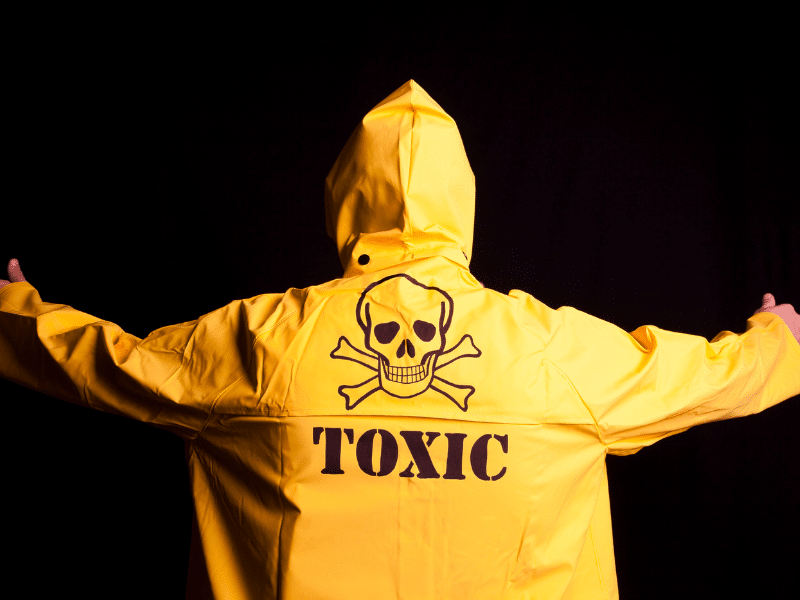
Many people who worry that they might be toxic are not dealing with a toxic personality at all. They are dealing with toxic behaviors that appear during stress, conflict, or emotional overload. These behaviors can be confusing, painful, and repetitive, but they are also changeable. Understanding the difference between being a toxic person and showing toxic behaviors brings clarity, reduces shame, and makes real change possible.
Quick Overview
In this article, we will explore what toxic behaviors really are and why they do not define your identity. You will learn:
The difference between being a toxic person and showing toxic behaviors
How harmful reactions form and why they repeat
Signs that a pattern is becoming unhealthy
Why emotional awareness is more useful than self-blame
Practical steps you can take to break harmful patterns
By the end, you will have a clearer understanding of your reactions and how to change them with confidence and compassion.
What Are Toxic Behaviors And What Do They Really Mean
The word toxic is used so often that most people are unsure what it really describes. Many readers worry that they might be toxic themselves, when in reality they are dealing with toxic behaviors and toxic habits. These are patterns of reaction that feel overwhelming, stressful, or difficult to control. Understanding them increases emotional awareness and removes the shame that prevents growth.
Toxic behaviors can be changed. A toxic identity cannot. This difference matters more than people realize.
What Toxic Behaviors Actually Are
Toxic behaviors are harmful behaviors that create tension, misunderstanding, or emotional distance. They often show up during conflict or stress, especially when emotional regulation is difficult. Examples include speaking sharply, withdrawing during conversations, acting impulsively, or avoiding responsibility.
These reactions form toxic relationship patterns, but they are still behaviors. They are not proof that someone is a bad person. They are signals that emotional triggers or unhealthy coping strategies are active.
Seeing your actions as behaviors instead of flaws makes it easier to break harmful patterns with clarity and practice.
Why Labeling a Person as Toxic Does Not Help
Calling someone toxic mixes behavior with identity. It suggests that every part of the person is harmful, instead of pointing to the specific toxic habits that need attention. This creates shame, defensiveness, and fear. Once someone believes they are “the problem,” they lose hope that change is possible.
Most people who struggle with toxic behaviors are not intentionally causing harm. They are overwhelmed, poorly equipped with communication skills, or repeating learned patterns from earlier life.
Understanding this helps reduce self criticism and encourages real behavior change.
Where Toxic Behaviors Come From
Most harmful behaviors begin as attempts to cope with stress or emotional discomfort. They may have helped someone feel safe or stable in the past, even if they now create communication problems.
Common sources include:
emotional overload
fear of conflict
learned communication styles
difficulty naming emotions
past experiences that shaped current emotional triggers
lack of emotional regulation tools
When you understand where your reactions come from, you gain more emotional awareness and can begin to break unhealthy patterns.
Why Awareness Supports Change
Awareness makes it possible to change toxic behavior without shame. Instead of acting on autopilot, you begin to notice subtle signs of emotional activation and can pause before reacting. This helps you:
recognize patterns early
understand emotional triggers
choose healthier responses
reduce conflict and defensiveness
repair relationships more effectively
Awareness shifts you out of self-blame and into practical action. Once you see the pattern, you can change the pattern.
A More Compassionate Way Forward
The goal is not to call yourself toxic. The goal is to understand your behavior with honesty and compassion so you can move toward healthier habits. This approach supports relationship repair and helps you build communication skills that reflect the person you want to be.
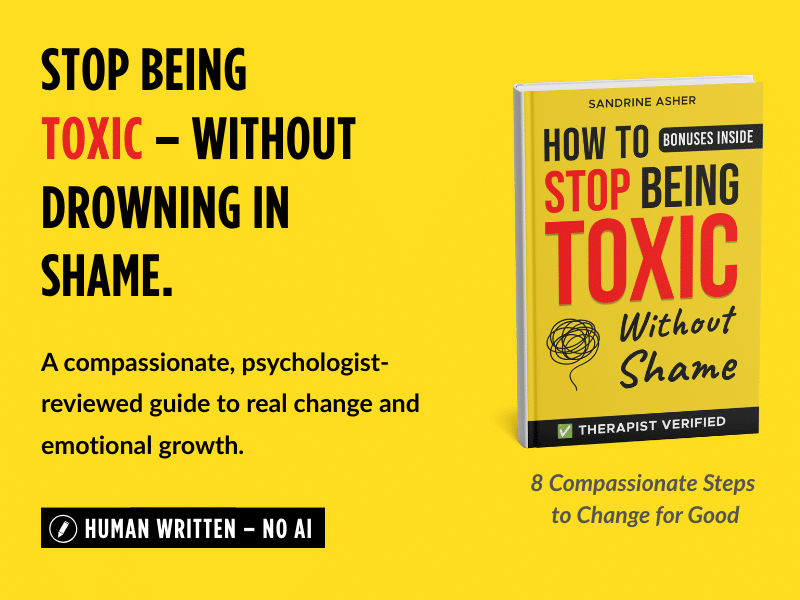
This philosophy is at the heart of the book “How to Stop Being Toxic Without Shame“. It offers a clear method for understanding toxic behaviors, emotional triggers, and relationship patterns without attacking your sense of worth. It also provides tools you can use immediately to break harmful behaviors and create new habits that feel grounded and sustainable.
Pssst! Don’t miss my Free Resources section. On top of the 15 Printable Mindfulness Word Search Puzzles I’ve created to help you find instant relaxation.
15 Free Printable Mindfulness Word Search
For Instant Relaxation
- Free Printable PDF
- Large Print
- 15 Calming and Positive Puzzles
- Contains Solutions Pages
- Enhances Mindfulness and Well-Being


